Pericarditis
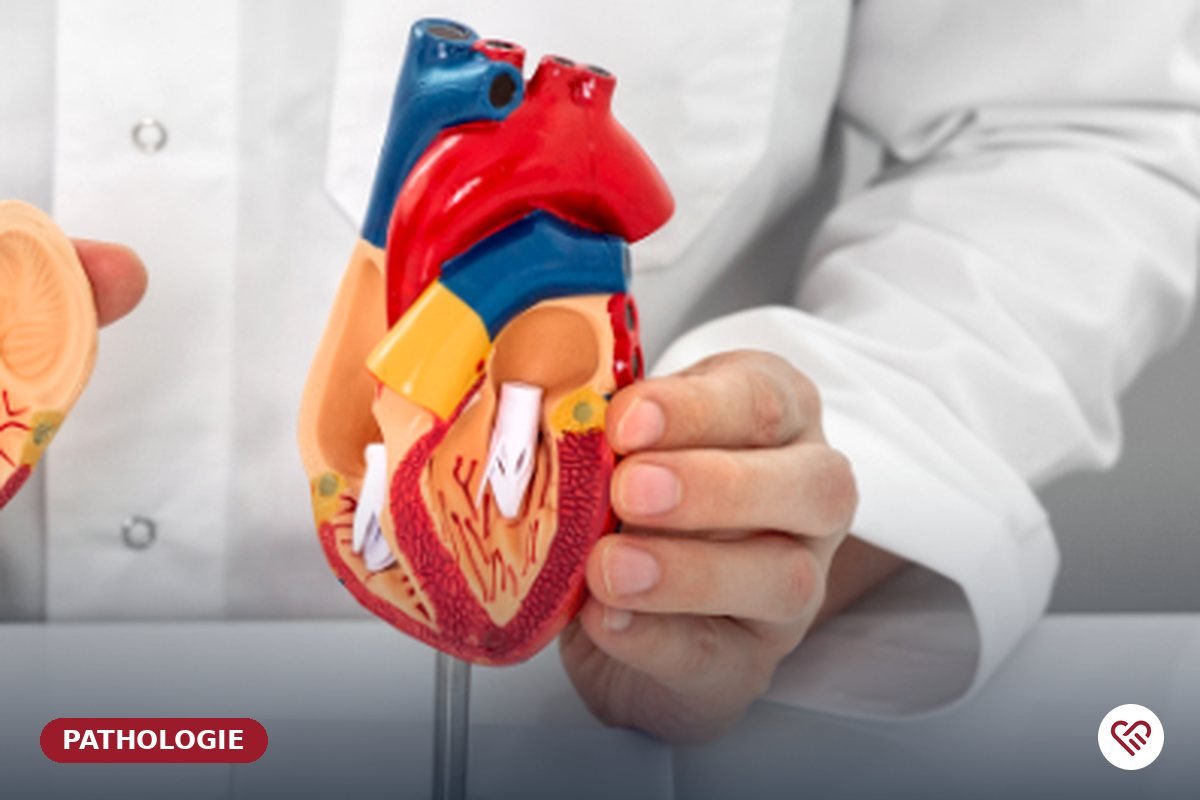
Pericarditis is an inflammation of the pericardium, which leads to non-specific symptoms such as fever, muscle and chest pain, breathing difficulties and palpitations (acute pericarditis), or increased fatigue, breathlessness, cough, oedema and fluid build-up in the abdomen (chronic pericarditis). The pericardium is the protective membrane, made up of two layers – and a lubricating fluid – that surrounds the heart. When it becomes inflamed, the layers can no longer slide over each other without friction, and their contact causes pain and discomfort. There are different types of pericarditis, which may be acute or chronic (lasting more than 6 months): a distinction is made in particular between acute pericarditis, constrictive pericarditis (chronic thickening of the pericardium) and effusive pericarditis (chronic build-up of fluid between the two layers of the protective membrane).
This information is provided for guidance only and does not replace a medical consultation.