Heart failure

Heart Failure — Dr Agueznai, Cardiologist in Casablanca

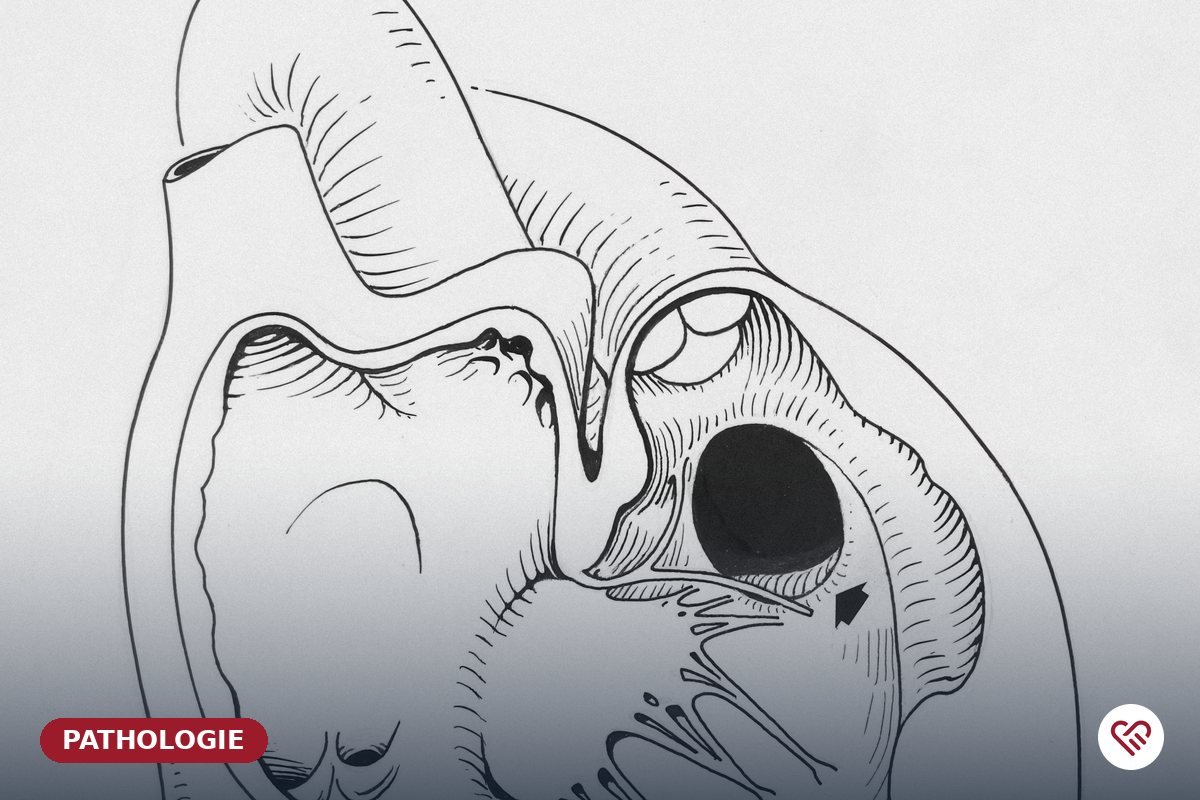
Heart failure refers to the heart's inability to pump enough blood to meet the body's needs. It is not a "stopping" of the heart, but a reduction in its efficiency, which usually develops gradually. Common after the age of 65, it is a chronic disease that can now be treated very effectively when it is diagnosed early and properly followed up.

What causes heart failure?

Heart failure is the consequence of another disease that has weakened the heart muscle. The most common causes are:

  • coronary artery disease and the after-effects of a myocardial infarction;
  • uncontrolled or poorly controlled high blood pressure;
  • valvular heart disease (narrowing or leakage of a valve);
  • heart rhythm disorders, particularly atrial fibrillation;
  • cardiomyopathies (dilated, hypertrophic), of genetic, toxic (alcohol, certain chemotherapies) or infectious (myocarditis) origin.

Diabetes, obesity, smoking, kidney failure and sleep apnoea are aggravating factors.

The signs often appear gradually:

  • shortness of breath on exertion, then with less and less effort, or even at rest or when lying down;
  • unusual tiredness and reduced physical capacity;
  • swelling of the ankles and legs (oedema);
  • rapid weight gain (more than 2 kg in a few days) due to water retention;
  • a night-time cough, needing to sleep propped up on several pillows, palpitations.

A sudden worsening of breathlessness is an emergency: call 06 65 60 02 74.

Diagnosis is based on a clinical examination, supplemented by:

Management combines treatment of the cause (coronary revascularisation, correction of valvular disease, control of blood pressure or heart rhythm) with medicines that protect the heart and prolong life: beta-blockers, renin-angiotensin system inhibitors or sacubitril/valsartan, mineralocorticoid receptor antagonists, SGLT2 inhibitors, and diuretics to combat water retention.

In some cases, an implantable device (defibrillator, cardiac resynchronisation pacemaker) is offered. Treatment is adjusted gradually by your cardiologist during regular follow-up.

  • Take your treatment every day and do not stop it without medical advice;
  • limit salt (less than 5 to 6 g per day);
  • weigh yourself regularly and report any rapid weight gain;
  • stay physically active at a suitable level, ideally as part of a cardiac rehabilitation programme;
  • stop smoking, limit alcohol and get vaccinated against flu;
  • seek medical advice promptly in case of unusual breathlessness or swelling.

This information is provided for guidance only and does not replace a medical consultation.